

Tool selection: HSS or tungsten carbide?
Tool selection: HSS or carbide?
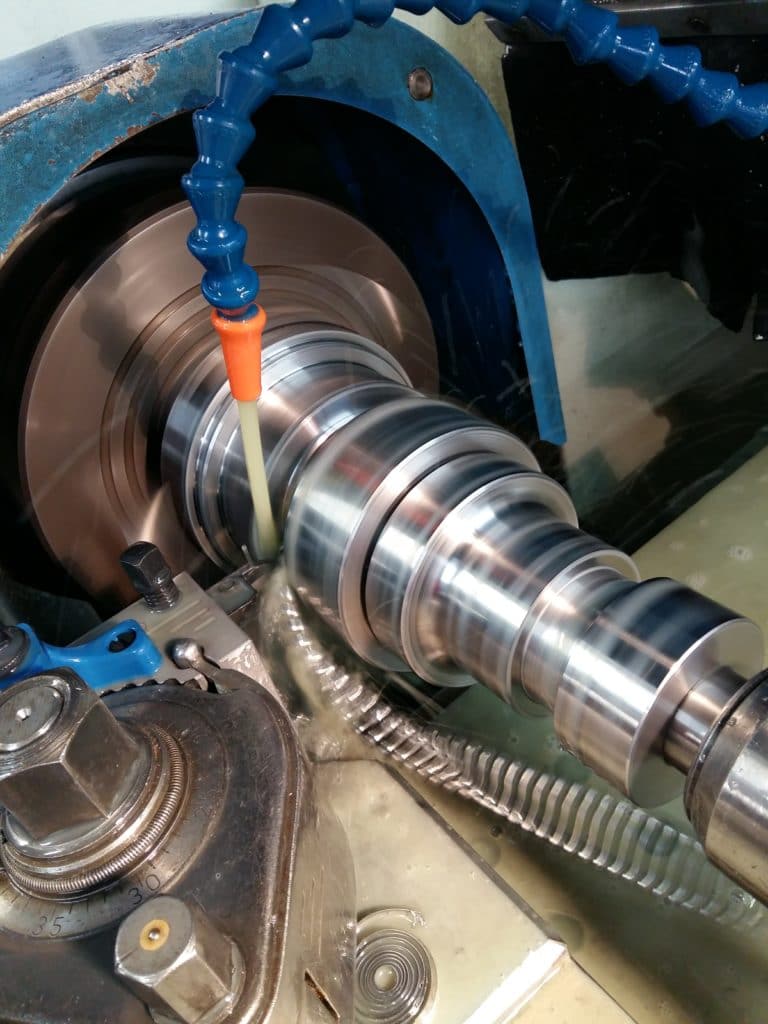
You've just acquired your new lathe or milling machine, but now you need to get the most out of it by using the right cutting tools with the right parameters!
The type of cutting tool depends directly on :
- Your skill level
- Type of machine: conventional or CNC
- Material to be machined
- Dry working or sprinkling
Generally speaking, the choice is between tungsten carbide or high-speed steel (generally called ARS or HSS).
- Tungsten carbide
Carbide is particularly useful when high surface quality and tool durability are required (carbide tools are generally not sharpened; they are interchangeable inserts for turning and one-piece milling cutters for milling) and for machining hard materials (pre-treated). However, the machine must be adapted, as cutting speeds are 5 to 20 times higher than those used for ARS machining, so the machine's speed range must be sufficiently wide!
Nowadays, carbide is systematically used when working on CNC machines, because the cutting parameters displayed (feed speeds, rotation frequency, depth of cut) are precise and therefore in line with carbide manufacturers' recommendations, allowing maximum optimization of productivity.
For turning (conventional and CNC), the use of tools with interchangeable carbide inserts is a real convenience: no more sharpening, dry working possible, good cutting edge life, very good surface finish.
- Superior high-speed steel (ARS)
In conventional milling, on the other hand, the relevance of using carbide milling cutters has not really been demonstrated, insofar as it is not advisable to work downstream (except on machines equipped with ballscrews), whereas all carburetors recommend working downstream except in specific cases.
HSS tools are still widely used in conventional machining, particularly in milling, because they offer three advantages:
- Cost price
- The possibility of resharpening with a standard grinding wheel
- Cutting edge customization by grinding to match the material to be machined
But productivity is lower due to the low cutting speeds required and the need to regularly resharpen tools, especially when machining hard materials...
This is why many HSS tools today are so-called "coated", i.e. treated after sharpening with a coating that considerably improves tool life: TIN, TiAln, TiCN etc. In addition, today's HSS tools are generally alloyed with cobalt in varying percentages ranging from 3 to 10%, improving the hardness and toughness of the ARS!
Bear in mind that for machining soft and/or "sticky" materials such as polyamides, engineering plastics, AU4G aluminum, copper and brass, today's HSS tools deliver excellent results.